

Electric vehicles: what you need to know
Published 15 February 2024 · Updated 3 September 2026
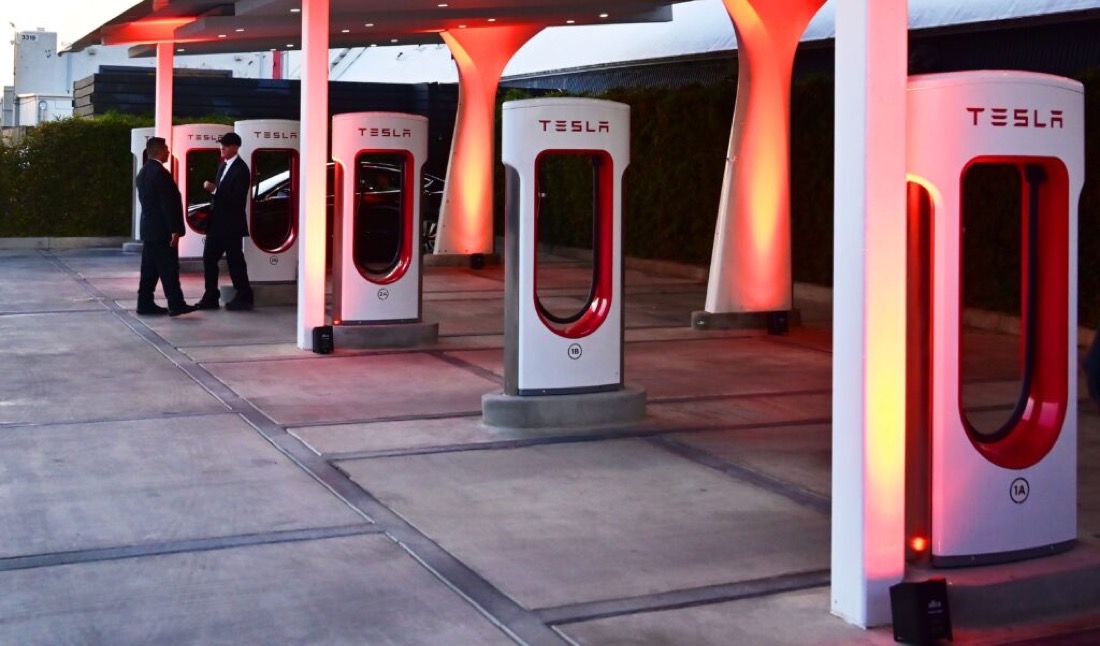
The electric car has stopped being a curiosity and the conversation has changed. It is no longer about whether it works, but about what it costs to run, how far it really goes and where you charge it. Let's take it in turns.
What it costs to get around
The big difference is not in the purchase price, it is in the running. An electric car uses in the order of 15 to 20 kWh per 100 kilometres depending on the model and how you drive. Multiply that by the price per kWh on your tariff and you have the cost per 100 km, which you can compare directly with what you spend on fuel today.
The figure changes a great deal depending on where you charge. At home, on a time-of-use tariff and charging overnight, is where it comes out cheapest. On motorway fast charging, considerably dearer. That is why the home charging point is the piece that weighs most on the sums: it means you buy 90% of your energy at the lowest price.
You can do that calculation with your own numbers in our calculators.
Maintenance
An electric motor has very few moving parts compared with a combustion engine. There is no oil, no filters, no belt, no clutch and no exhaust. Regenerative braking also reduces wear on pads and discs. What there is, is tyres, which wear a little faster because of the weight and the torque.
Range and real-world use
The catalogue figure matters less than it seems. What decides it is your day to day: most daily journeys in Spain are well below the range of any current electric car, and with a charging point at home the car wakes up full every day.
Where you do have to plan is on a long journey, and there the figure that matters is not range but the fast charging power the car accepts and the network of stations along the route. In winter range drops, especially on short trips with a cold car, and it is worth allowing for that.
Where you charge
- At home: is the usual way and the cheapest. A 7.4 kW charging point has any battery ready overnight.
- At work: useful if the car spends the working day parked, and increasingly common in company car parks.
- On the street and at shopping centres: top-up charging, generally AC and at medium power.
- At a charging station: fast DC charging for long journeys, at 20 or 30 minutes a session.
What you need at home
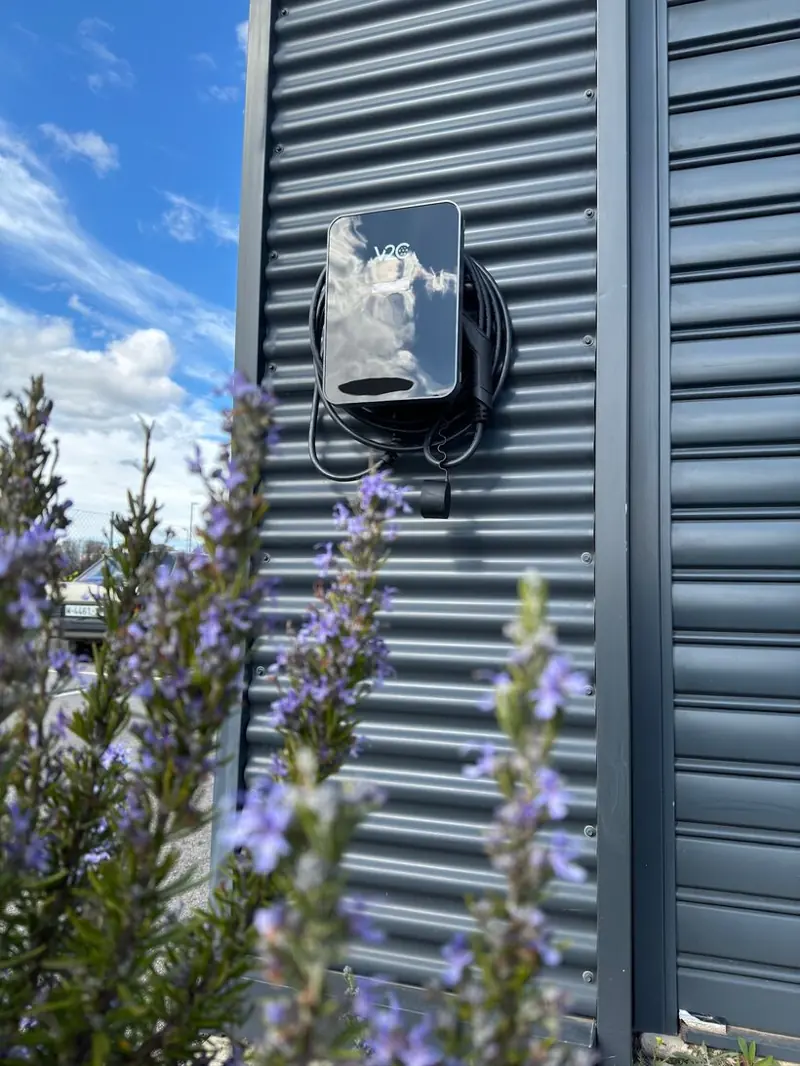
Less than people assume. A charger with dynamic load balancing adjusts its power to what the home is using, so in most cases there is no need to increase the contracted power or touch the electricity contract.
What does have to be done properly is everything else: an initial survey of the consumer unit and the route, protective devices to the REBT, and registration with the regional industry authority when the job is done. The six models we install, with a fixed price for the complete installation, are in the charger range, and if you are torn between them, see our electric vehicle charger comparison.
If the space is in a shared car park
You do not need the residents' association to give you permission. The Horizontal Property Act only requires the installation to be notified, not put to a vote. A letter to the managing agent is enough, and we write it. The detail of the procedure is in installations in residents' associations.
The grants available now
Two, and it is worth factoring them in before signing anything. The 15% income tax deduction on the cost of the installation, with a maximum base of €4,000 and a deadline of 31 December 2026. And the Energy Saving Certificate, €600, if you have bought an electric car and have scrapped or sold a combustion car that had been yours for more than a year. The conditions for each are in the article on grants currently available for installing a charging point ES.
In short
Switching to electric pays off when you can charge at home. Without your own charging point you depend on the public network and much of the financial advantage evaporates. That is why the first thing to sort out is not which car you buy, but where you are going to plug it in every night.
Can we help with your installation?
If you still have questions about your own case after reading this, tell us and we will look at it with no obligation.